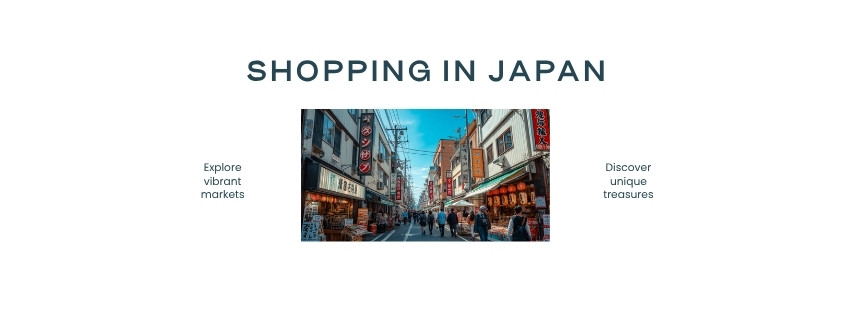
Shopping in Japan is an experience in its own right — not just for what you can buy, but for how dramatically the options vary between a 100-yen coin shop and a Ginza department store. The country offers extraordinary range: world-class electronics, immaculate cosmetics, regional food specialties, vintage fashion, handcrafted ceramics, and some of the most efficiently designed everyday objects you will ever encounter. And as a visiting tourist, you can claim back 10% consumption tax on qualifying purchases, making Japan even better value than it appears.
This guide walks you through Japan's main shopping environments — from the legendary chaos of Don Quijote to the serene floors of Isetan — and explains exactly how to maximize your tax-free shopping benefits.
1. Don Quijote: Japan's Most Addictive Store
Don Quijote (ドン・キホーテ), abbreviated affectionately as "Donki" (ドンキ) by everyone who shops there, is unlike any other retail store in the world. The company operates over 700 stores across Japan and several in Hawaii and Southeast Asia. Walking into a Donki is initially disorienting — products are stacked from floor to ceiling in narrow, maze-like aisles, competing mascots and promotions fight for visual attention, and the store's unofficial anthem plays on loop — but the selection is genuinely remarkable.
Donki stocks everything from fresh food to designer goods to cosplay costumes. For tourists, the best value categories are: cosmetics and skincare (Japanese and Korean brands at significant discounts), food souvenirs (a huge selection of regional Kit Kats, matcha snacks, and gift-boxed Japanese sweets), electronics accessories (adapters, cables, phone cases), and sundry items that make great inexpensive gifts. The price on many items — particularly cosmetics — beats duty-free airports significantly.
Most Don Quijote locations operate 24 hours a day, 365 days a year. This makes Donki the answer to almost any late-night shopping need in Japan — whether you forgot a toiletry, want midnight snacks, or suddenly need a surprisingly good quality umbrella at 2 AM. The Shinjuku and Shibuya locations in Tokyo and the Dotonbori location in Osaka are among the most famous and well-stocked.
2. Department Stores (Depato): The Refined Alternative
Japanese Depato (デパート) — department stores — operate at a completely different register from Donki. They are quiet, impeccably organized, and staffed by sales associates who have trained extensively in customer service. The experience of shopping at Isetan, Takashimaya, Mitsukoshi, or Daimaru is more like visiting a well-curated museum than going to a mall.
Isetan (伊勢丹) — Shinjuku flagship is the fashion benchmark. Excellent food hall (depachika) and internationally focused cosmetics floor.
Mitsukoshi (三越) — Japan's oldest department store (founded 1673). Ginza and Nihonbashi flagships. Exceptional traditional craft and ceramics sections.
Takashimaya (高島屋) — Strong in Osaka and Kyoto. Excellent regional food and gift sections on basement floors.
Daimaru (大丸) — Particularly strong in Osaka (Shinsaibashi and Umeda), with well-known luxury brand collections.
The Depachika (デパ地下) — literally "department store basement" — is the food hall located in the lower floors of every major Japanese department store. These are extraordinary spaces filled with artisan sweets, premium bento boxes, fresh sushi, regional specialties, pastries, and gift-packaged foods at the absolute highest quality. Browsing the Depachika of Isetan Shinjuku or Takashimaya Osaka is genuinely one of the great food experiences in Japan, even if you only buy a small box of wagashi to take home.
3. Japan's Tax-Free Shopping System
As a non-resident tourist visiting Japan on a short-term visa, you are entitled to claim back the 10% Japanese Consumption Tax (消費税) on qualifying purchases. This is a significant saving on larger purchases and is worth understanding before you shop.
Minimum purchase threshold: ¥5,000 (tax excluded) per store visit for general goods (electronics, clothing, cosmetics).
Consumables (food, drink, cosmetics to be used during the trip): ¥5,000–¥500,000 per store visit, and must be packed in a sealed bag and not opened until you leave Japan.
Eligible shoppers: Visitors on a tourist, transit, or temporary visitor visa staying less than 6 months.
What you need: Your passport (original — not a photocopy) at the point of purchase. The refund is processed directly at the store's tax-free counter and deducted from your bill at time of purchase.
Japan's in-store tax-free shopping is different from airport duty-free. When you purchase tax-free in Japan, your passport details are registered and submitted to Japanese customs electronically. Customs officers at the airport may check that your purchased goods are in your baggage. Opening tax-free consumables (cosmetics, food) before leaving Japan technically voids the tax-free status. Do not open sealed tax-free bags before your departure flight.
4. Electronics Shopping: Akihabara and Yodobashi Camera
For electronics, Japan remains one of the best places in the world to shop — both for cutting-edge Japanese products that are not yet exported and for competitive pricing on global brands.
Tokyo's famous Akihabara (秋葉原) district is the world center for electronics and anime merchandise. Multi-floor stores like Yodobashi Akiba (one of the largest electronics stores on earth) stock everything from professional camera lenses to vintage game cartridges to the latest smartphones. The concentrated competition between stores on Electric Town Street often produces the best prices in Japan. English-speaking staff are available in major stores.
Japan runs on 100V/50-60Hz power, which differs from both the US (120V) and Europe (220-240V). Most modern electronics (laptops, phone chargers, cameras) are dual-voltage and work fine worldwide with an adapter plug. However, older appliances — hair dryers, electric shavers, some kitchen devices — may not be compatible. Check the voltage rating (printed on the device or adapter) before buying any Japanese appliance for use abroad.
5. 100-Yen Shops and Variety Stores
Japan's 100-yen shops are among the most rewarding shopping environments for visitors who want quality everyday items at the lowest possible price. The major chains — Daiso (ダイソー), Seria (セリア), and Can Do (キャンドゥ) — sell an astonishing range of products for exactly ¥110 (¥100 + tax).
| Store | Character | Best Buys |
|---|---|---|
| Daiso | Largest selection, most chaotic layout, wide range of product types | Kitchen tools, storage items, craft supplies, seasonal decorations, travel accessories |
| Seria | More curated, artistically designed products, cleaner store layout | Stationery, wrapping materials, craft supplies, home decor with a Japanese aesthetic |
| Can Do | Similar to Daiso but often less crowded, good cleaning and kitchen section | Cleaning tools, kitchen gadgets, basic cosmetics, notebooks |
6. What to Buy as Souvenirs
Japan produces some of the world's most thoughtfully designed and packaged souvenirs and gifts. Here are the categories most worth seeking out.
Regional Kit Kats and Snacks: Japan produces over 300 Kit Kat flavors, many exclusive to specific regions (Kyoto matcha, Hokkaido melon). Beautifully packaged and impossible to find abroad.
Japanese Stationery: Hobonichi planners, Midori notebooks, Pilot pens, Washi tape — Japan's stationery culture is unmatched.
Skincare and Cosmetics: SK-II, Hada Labo, Curel, Shiseido Uno — Japanese skincare is world-class and significantly cheaper than imported versions abroad.
Kitchen Tools: Japanese knives, ceramic graters, bento boxes, and wooden chopstick sets are both practical and beautiful.
Conclusion
Japan's shopping landscape rewards both the budget hunter and the connoisseur. Whether you spend an afternoon lost in the labyrinthine aisles of Donki or take time to let a Mitsukoshi sales associate carefully wrap your purchase in four layers of tissue paper, the craft and care that goes into Japanese retail is something you notice and appreciate. Present your passport, hit the minimum spend for tax-free, and enjoy the 10% discount that comes with being a visiting tourist. Few countries make shopping this pleasurable — or this difficult to leave without exceeding your budget.
Frequently Asked Questions
Can I use credit cards in Japan?
Major international credit cards (Visa, Mastercard, Amex) are accepted at department stores, major chain stores, and many restaurants. However, Japan remains significantly more cash-dependent than most developed countries, particularly at smaller shops, yatai stalls, and local restaurants. Always carry sufficient yen in cash. 7-Eleven ATMs accept most international cards and are available 24 hours nationwide.
How do I process tax-free shopping?
At the point of purchase, tell the cashier you would like tax-free shopping and present your passport. Many stores have a dedicated tax-free counter. The 10% consumption tax is deducted immediately from your purchase price — you pay the tax-excluded amount. Your passport details are recorded and submitted to customs. The entire process typically takes 5–10 minutes at busy department stores.
Are there any items that are not eligible for tax-free shopping?
Tax-free shopping applies to goods being taken out of Japan. Services (hotel stays, restaurant meals, taxi fares, haircuts) are not eligible. Some consumables have purchase amount restrictions. New rule changes may apply — verify the current rules at the Japan Tourism Agency website or with your store's tax-free counter, as policies have been updated in recent years.
When do Japanese department stores have sales?
Major sale seasons at Japanese department stores are: January (New Year / Hatsuuri) — the biggest clearance sales of the year, with famous lucky bags (fukubukuro); July — summer clearance; and December — year-end pre-holiday promotions. The New Year fukubukuro (lucky bags) phenomenon — sealed mystery bags from luxury brands sold at a fraction of retail value — is worth planning a January trip around.